But please don’t recycle pickles
The big paper bins in the back of the class have been a constant in a Silver Wolf’s life at school, but it’s never had that much of a story. Over this summer, that has changed drastically.
For 10 years, the Special Education department (SPED) has been picking up recycling from each class. They pick up the big bins from the back of the classroom and dump them into shopping carts to take them back to class and dispose of them. But due to a change in the global recycling system, this opportunity was in jeopardy.
For years now, China has been picking up and exporting recycling from tons of countries-an easy negotiation that benefited all sides. China needed plastic and others needed to get rid of their plastic. Worked out? For a while. Last year, Beijing said that they will no longer be accepting 24 types of recycling, and in June of this year, they added 32 more to that list. Our nation now needed to dispose of recycling their own way. And the cost was doubling.
To save money, the Weber School District sent out an email stating that there will no longer be any recycling at Fremont. Many were upset and disappointed, but SPED was now out of a job they’ve been doing for years.
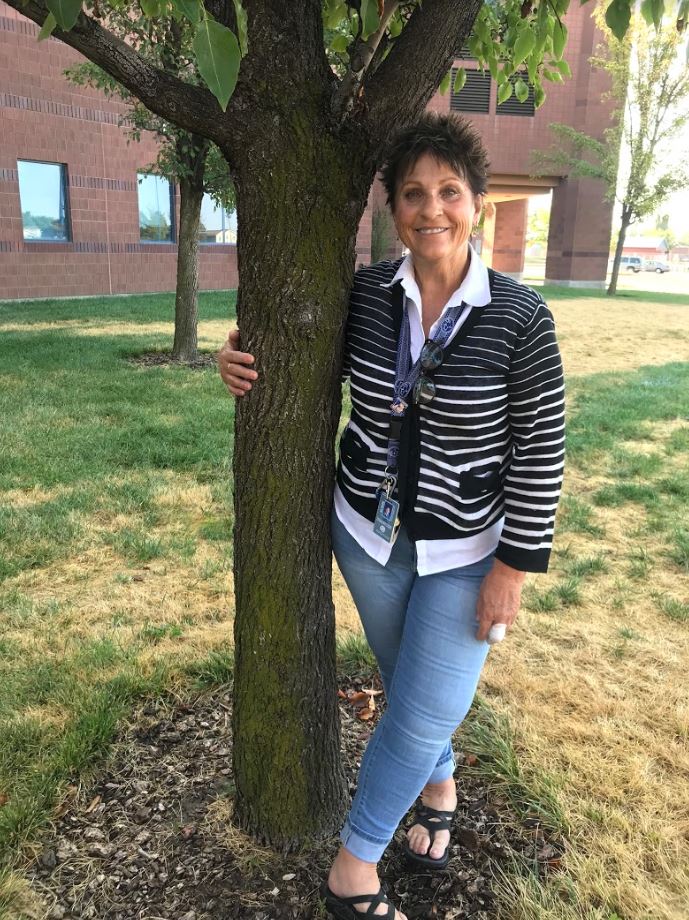
Jan Welsh, who works in the SPED department, decided to step in and take this into her own hands. SPED has now taken over the recycling system entirely. The SPED kids will still come into classes to grab the recycling bins, but they now have to sort and dispose of it, as well.
Welsh is now taking all of the recycling down to separate plants herself. This is dedication.
“[It’s] my goal, by the end of the year, to have all of [the schools that are connected to Fremont] be on this program,” said Welsh.
Around the nation, a lot of people don’t know how to recycle properly, causing recycling plants to work harder. Food can’t be discarded through recycling. All of your paper homework can be.
“Why would anybody want to recycle plastic if they’re not reusing it? That’s the big deal,” said Welsh. “We need to have companies say they will only use recycled paper, or recycled plastic, or aluminum. Which is doable, but in America, it’s just not a mindset.”
To help out SPED and Jan with this program, students and staff can learn the difference between what is garbage and what is recycling, and recycle as much as you can.
“I just need them to put it in the bucket. We commingle; I need paper, plastic, and aluminum… I would just like everybody to think about what they’re throwing in the garbage,” Welsh said.
It would also help if donations of industrial garbage bags could be handed into the SPED department, as they go through them quickly.
“I do [enjoy this]. I’ve been teaching for 25 years. I have had my kids do this forever. Every school I go to, this will be my fourth school, and I’ve always done it. What really warms my heart is I started out with one dumpster, and within the first year I had three dumpsters. So that means we are getting more and more.”
